
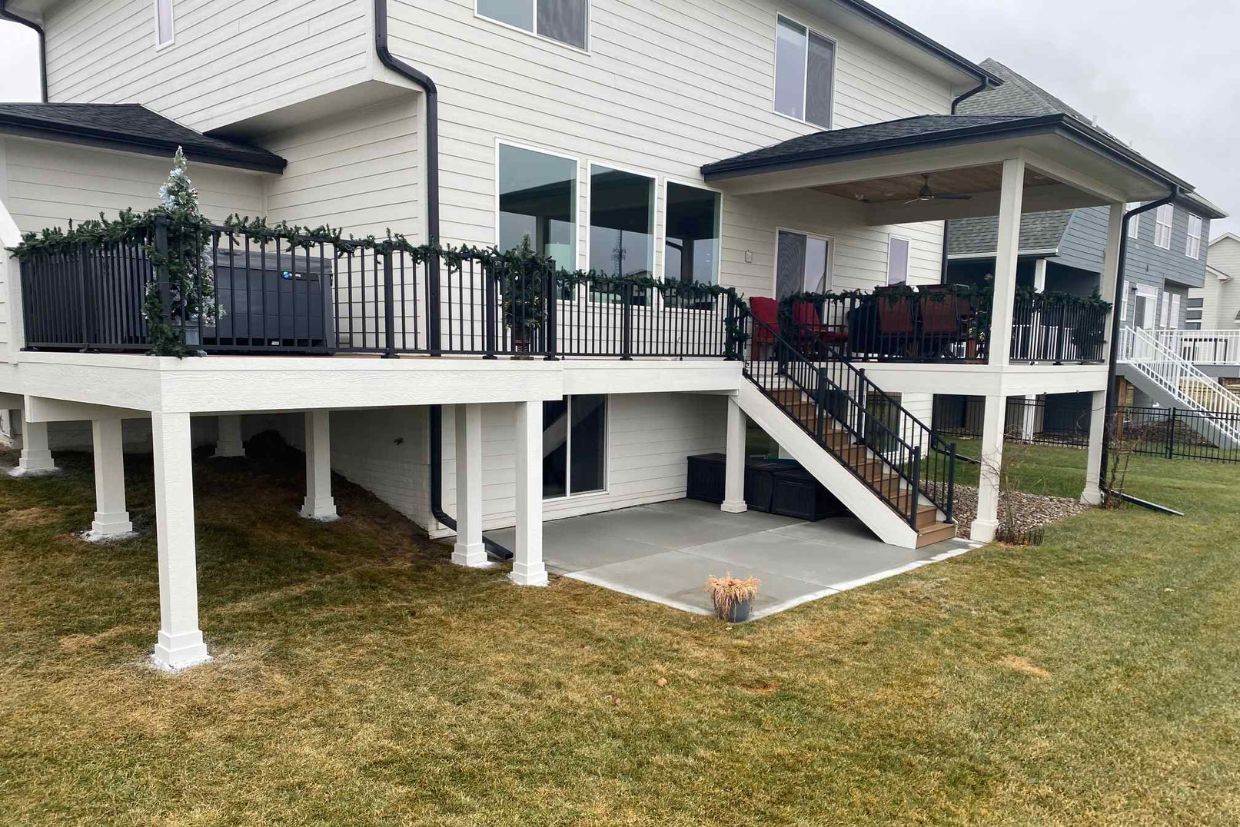
PVC decking is gaining ground as a durable, low-maintenance option for homeowners seeking long-lasting outdoor living spaces. But when it’s time to build or replace a deck, many find themselves relying on professional input. A deck contractor will often influence decisions related to materials, layout, installation approach, and product brands. The question arises: Should you trust your deck contractor’s advice when it comes to PVC decking?
This question deserves scrutiny from multiple angles—product performance, budget compatibility, climate compatibility, aesthetic preferences, and the contractor’s motivations. While a professional deck contractor might bring valuable insights, understanding the material and asking informed questions puts homeowners in a stronger position.
What is PVC Decking?
PVC decking refers to deck boards made entirely from polyvinyl chloride (a synthetic plastic polymer). Unlike composite decking, which blends wood fibers with plastic, PVC boards contain no organic materials. This makes them resistant to moisture, rot, and insect damage.
Homeowners considering PVC need to evaluate key elements—cost, longevity, maintenance, appearance, and installation methods. A well-informed deck contractor may assist with this evaluation, but the homeowner’s awareness is equally essential.
When to Question Your Deck Contractor’s PVC Recommendations
A professional’s advice is valuable, but it’s worth applying a critical lens when they steer you toward or away from PVC decking.
Ask yourself:
- Are they suggesting PVC because it truly fits my needs, or because they’re used to working with it?
- Are they receiving manufacturer incentives or commissions for recommending specific brands?
- Are they giving me a full picture, including pros and cons of PVC, or only highlighting the upsides?
- Have they explained installation complexities, like special fasteners or hidden clip systems, which might raise costs?
- Are they avoiding PVC due to unfamiliarity rather than product quality?
Benefits of PVC Decking
A reputable deck contractor might lean toward PVC decking for good reasons. The material offers several advantages that align with performance-focused deck builds.
- Moisture resistance: Ideal for humid, rainy, or coastal climates. PVC won’t absorb water, swell, or rot.
- Insect resistance: Unlike wood, PVC is impervious to termites and other pests.
- Low maintenance: No sealing, staining, or sanding required. Routine cleaning with soap and water is enough.
- Color retention: Modern PVC boards resist fading from UV rays better than many alternatives.
- Lightweight: Easier to handle during installation, especially on elevated decks.
- Fire resistance: PVC performs better than wood in fire testing scenarios.
- Warranty protection: Many manufacturers back products with 25+ year fade and stain warranties.
These advantages make PVC a legitimate choice for many homeowners, and any experienced deck contractor will know when to recommend it based on specific project goals.
Potential Drawbacks of PVC Decking
No material is without limitations. An honest deck contractor should also educate you about the downsides of PVC decking before expecting a green light.
- Higher upfront cost: PVC often carries a premium price compared to pressure-treated wood or standard composite.
- Thermal expansion: PVC expands and contracts more than wood-based boards. Improper installation can lead to gaps or warping.
- Plastic feel underfoot: Some homeowners prefer the warmer texture of wood or composite over the slick, plastic-like feel of PVC.
- Limited structural strength: PVC decking is not suitable for load-bearing use and needs a supportive substructure.
- Appearance limitations: Though high-end PVC mimics wood grain, some options may still look overly synthetic.
If your contractor glosses over these factors or avoids discussing them in depth, it’s worth asking more questions.
What Makes a Deck Contractor’s Advice Trustworthy?
Trust isn’t automatic—it’s earned through transparency, consistency, and alignment with your needs. When a deck contractor provides guidance on PVC decking, these factors can signal credibility:
- They give options, not ultimatums: Instead of pushing one brand or product, they lay out several materials with pros and cons.
- They tailor advice to your home: Climate, shade, deck height, and lifestyle are all considered in their recommendations.
- They explain trade-offs: Every material has upsides and downsides. A good contractor is honest about both.
- They address installation specifics: From hidden fasteners to fascia details, they walk you through how PVC will be installed.
- They show samples of previous projects: This helps you visualize the final result and check workmanship quality.
- They give accurate cost breakdowns: Pricing isn’t vague or padded with “miscellaneous fees.”
A knowledgeable deck contractor should aim to educate you, not pressure you.
Questions to Ask Your Deck Contractor About PVC
Whether you’re building a brand-new deck or replacing an old one, these questions can help you assess whether PVC is the right material—and whether your deck contractor is steering you in the right direction:
- What are the long-term maintenance needs of PVC compared to wood or composite?
- How does PVC perform in hot or cold climates?
- What fastening systems will you use? Are hidden clips included?
- Will expansion and contraction be an issue in my region?
- What warranties come with this brand of PVC?
- Can I see the PVC decks you’ve previously installed?
- Are there any structural reinforcements needed due to PVC’s flexibility?
- What are the real total costs, including special accessories and installation tools?
- Why do you recommend this over other materials for my property?
Comparing PVC with Composite and Wood
Sometimes, a contractor might suggest PVC as an upgrade from composite or wood, but it’s important to know what sets them apart:
| Feature | PVC | Composite | Wood |
|---|---|---|---|
| Material | 100% plastic | Wood fiber + plastic | Natural timber |
| Moisture resistance | Excellent | Moderate to high | Poor to moderate |
| Maintenance | Low | Low to moderate | High |
| Cost | High | Moderate | Low |
| Appearance | Smooth or textured | Varied grain patterns | Natural wood grain |
| Temperature sensitivity | High | Moderate | Low |
| Structural use | Non-load bearing | Limited | Full structural use |
This comparison can help you weigh whether your deck contractor’s push toward PVC aligns with your expectations and use case.
PVC Decking in Different Climates
Climate has a significant impact on deck performance. An informed deck contractor should account for your local environment when recommending PVC.
- Hot, sunny regions: PVC can get warm underfoot and expand. Lighter colors reflect heat better.
- Cold climates: Freeze-thaw cycles can stress materials. PVC’s moisture resistance gives it an edge.
- Humid zones: PVC resists mold and mildew, which makes it ideal in damp regions.
- Coastal locations: Salt air and moisture pose no threat to PVC, making it a top contender.
If your contractor fails to mention any of these climate-related factors, it may indicate a surface-level understanding.
Installation Nuances Contractors Must Consider
A seasoned deck contractor knows that PVC isn’t a plug-and-play material. Installation quality heavily influences its performance and appearance.
Key considerations include:
- Spacing for expansion/contraction
- Specialized fastening systems
- Deck joist spacing adjustments
- Use of compatible fascia boards and end caps
- Flashing and water management techniques
Improper installation can void warranties and lead to performance issues. A contractor who overlooks these nuances might not be the best fit.
Common Myths About PVC Decking
Sometimes contractors perpetuate or dismiss common misconceptions. These are worth addressing directly:
Myth 1: PVC always outperforms composite.
Not necessarily. Some composites offer similar durability with better aesthetics.
Myth 2: PVC decking never fades.
High-quality PVC resists fading better than wood, but exposure still causes color shifts over time.
Myth 3: You can install PVC like wood.
Wrong. PVC needs precise spacing, special screws, and correct installation methods.
Myth 4: It’s maintenance-free.
While it’s low-maintenance, PVC still needs occasional washing to remove debris and prevent buildup.
When your deck contractor brings up PVC, they should be ready to dispel or confirm these myths with sound reasoning.
Signs Your Contractor Is Biased Toward Certain Products
Material preference is normal. But when a contractor repeatedly recommends one solution without explaining alternatives, red flags emerge.
- Dismissing the valid concerns you raise about PVC
- Offering vague comparisons with other materials
- Avoiding specifics about installation or long-term performance
- Using language that pressures you to decide quickly
- Having exclusive supplier relationships that limit material choice
Contractors who are truly looking out for your project should help you evaluate all available options fairly.
Why Does Choosing the Right Contractor Matter More Than the Material?
Even the best decking material can underperform if installed poorly. Choosing the right deck contractor is just as important—if not more—than choosing the right material.
Look for a professional who:
- Prioritizes your goals over product trends
- Provides clear documentation, quotes, and drawings
- Discusses code compliance and permits
- Helps you visualize how PVC will look and feel in your space
- Has a reputation for consistent communication and clean job sites
Material decisions are collaborative, not dictated. You should feel involved and well-informed every step of the way.
Why Choose Ankeny Deck Specialist?
At Ankeny Deck Specialist, our focus is on aligning the right materials with your specific goals—never just promoting trends. Whether PVC, composite, or natural wood, we approach each project with detail, care, and precision. Our team emphasizes clear communication, custom planning, and skilled execution that brings your vision to life.
Your deck should be a lasting investment—and we’re here to make that happen with quality craftsmanship and honest, expert support from start to finish.